Turn a product idea into a SaaS that survives its first real users
Full-stack SaaS products built with Next.js 16, TypeScript, and Postgres. Auth, billing, multi-tenancy, and the admin surfaces your team will actually live in — specified in writing before a line of code exists, then shipped in reviewable slices you can follow week to week.
12+
Products shipped end to end
3+
Years building production software
100%
Engagements start with a written spec
Built on the stack your future engineers already know
Why most SaaS builds stall
The demo ships. The product is where it falls over.
Getting a screen on the internet is easy now. What breaks teams is everything after: the second customer with different requirements, the first refund, the first data export request, the first engineer who has to read the code.
I build the opposite of that: a written spec you sign off on, a data model that assumes multiple tenants from day one, typed contracts between server and client, and CI with preview deploys from the first week — so the product is boring to operate long after launch.

The problems I get called in to fix:
- 01
No spec, so scope moves every week
Work starts from a Figma file and a conversation. Six weeks in, nobody can say what 'done' means, and every review adds a feature.
- 02
Auth and billing bolted on last
Tenancy, roles, and subscription state get retrofitted into a schema that never planned for them. That rewrite costs more than the original build.
- 03
A database that only works for one customer
No tenant boundary, no soft deletes, no audit columns. The second serious account exposes all three at once.
- 04
Nothing is typed end to end
The API returns one shape, the UI expects another, and the mismatch is only found in production by a user.
- 05
No deploy story
One environment, manual deploys, no preview URLs. Every release is a risk nobody wants to take on a Friday.
1
Written spec before any code
2 wk
To the first usable slice
0
Untyped API boundaries
What Next.js SaaS development covers
End to end SaaS product development
From the first architecture call to the handover doc, every stage of the build is covered. Each service is scoped to your product, not lifted from a template.
Product spec & architecture
Before anything is built, we write down what the product does: user roles, core flows, the data model, and what is explicitly out of scope for v1. You get an architecture decision record covering the framework, database, hosting, and third-party services, plus an honest read on what should be bought instead of built.
- Feature spec with acceptance criteria
- Entity-relationship model and tenancy plan
- Architecture decision record
- Build-vs-buy call on every dependency
Our Next.js expertise
Every layer of the stack, chosen for a reason
I stay on mainstream, well-maintained tooling so the product is still supportable in three years by an engineer who has never met me.
The layer your users touch. Server-first rendering keeps the JavaScript budget small, and a token-driven design system keeps the interface consistent as it grows.
What gets built
The surfaces that make a SaaS a business
Beyond the marketing site and the main app, a working SaaS needs a handful of unglamorous surfaces. These are the ones I build every time.

Multi-tenant application core
Organisations, members, invitations, and roles, with tenant isolation enforced in the data layer so a missing filter cannot leak another customer's rows. Users can belong to several organisations and switch without logging out.
- Organisation and workspace model
- Invite, join, and role assignment flows
- Row-level isolation by tenant
- Workspace switching without re-auth

Subscription billing that handles the edge cases
Plans, trials, seats, usage metering, and upgrades — all reconciled against Stripe as the source of truth. Access is derived from subscription state, so an expired card downgrades cleanly instead of leaving an account in limbo.
- Trials, seats, and usage-based plans
- Mid-cycle upgrades and proration
- Dunning and failed-payment recovery
- Entitlements derived from billing state

Dashboards & analytics your users trust
The reporting layer customers log in for: filtered views, date ranges, exports, and charts that stay honest at scale. Heavy aggregates run server-side and cache, so a big account does not make the page crawl.
- Server-rendered, cached aggregates
- Filters, date ranges, and saved views
- CSV and scheduled exports
- Accessible, theme-aware charts

AI features that belong in the product
Where it genuinely helps: drafting, summarising, extraction, semantic search, or an in-product copilot with tool access. Built with structured output, evaluation on your own data, and a cost model — not a chat box bolted onto the sidebar.
- Structured, schema-validated output
- Retrieval over your own content
- Token cost modelled before launch
- Approval gates on destructive actions

Performance, SEO & accessibility
Core Web Vitals treated as an acceptance criterion rather than a post-launch cleanup. Server components keep bundles small, images and fonts are budgeted, metadata and structured data are generated from the same source as the content.
- Core Web Vitals budget per route
- Generated metadata and JSON-LD
- Keyboard and screen-reader passes
- Light and dark themes at full contrast
Not sure whether you need an MVP or the real thing?
Most founders arrive with a feature list and no spec. Book a free 30-minute call and we will separate the v1 that proves the idea from the v2 that scales it, and put a realistic number and timeline on both. No sales pitch, no commitment.
Real projects. Real builds.
SaaS and platform work I have shipped
Each of these started with a written spec and ended with a system someone is still operating. Problem, solution, and my role on every one.
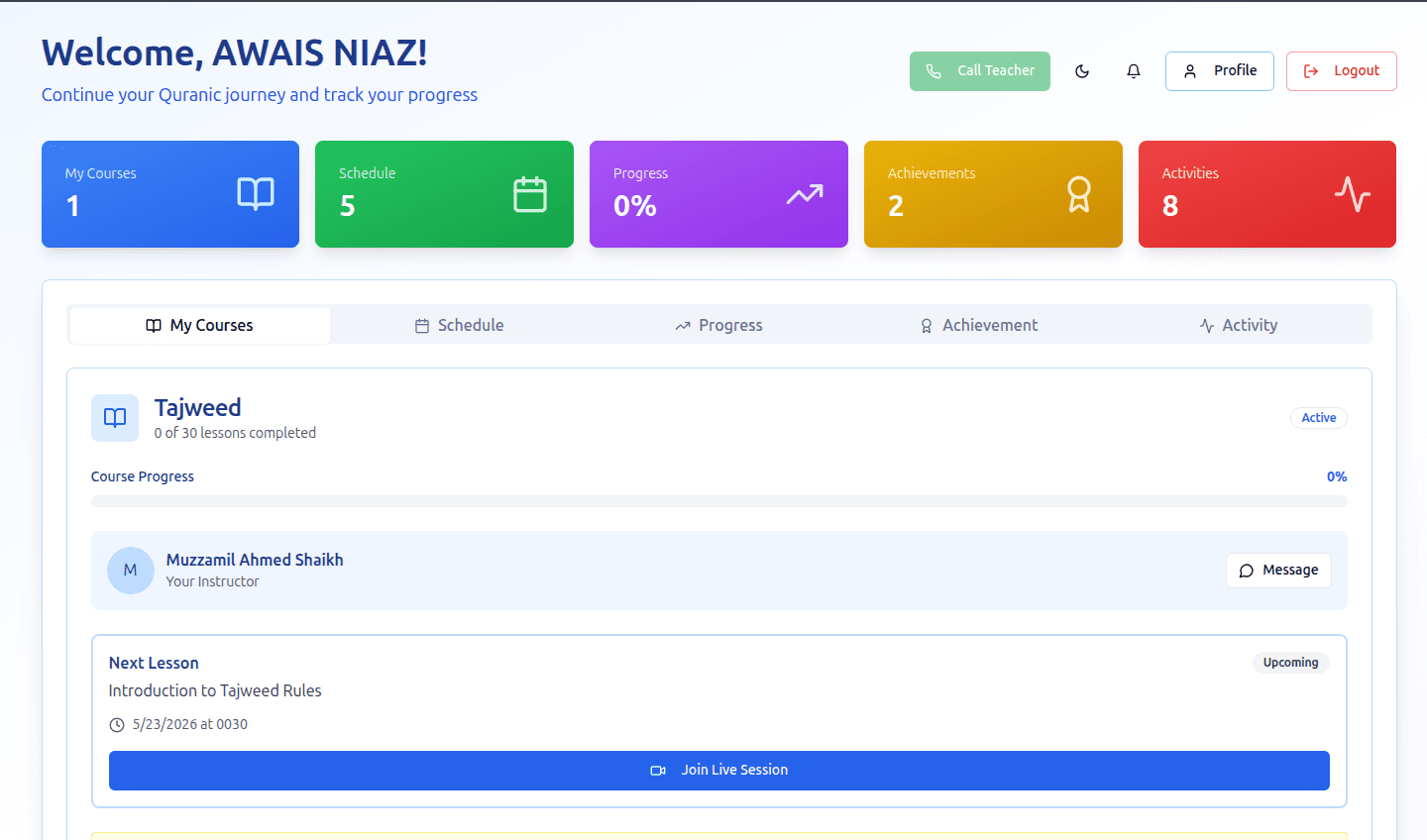
Al-Quran Learning Platform
An Islamic education provider needed a digital learning platform where students could track progress, teachers could manage classes, and course enrollment could be paid for online.
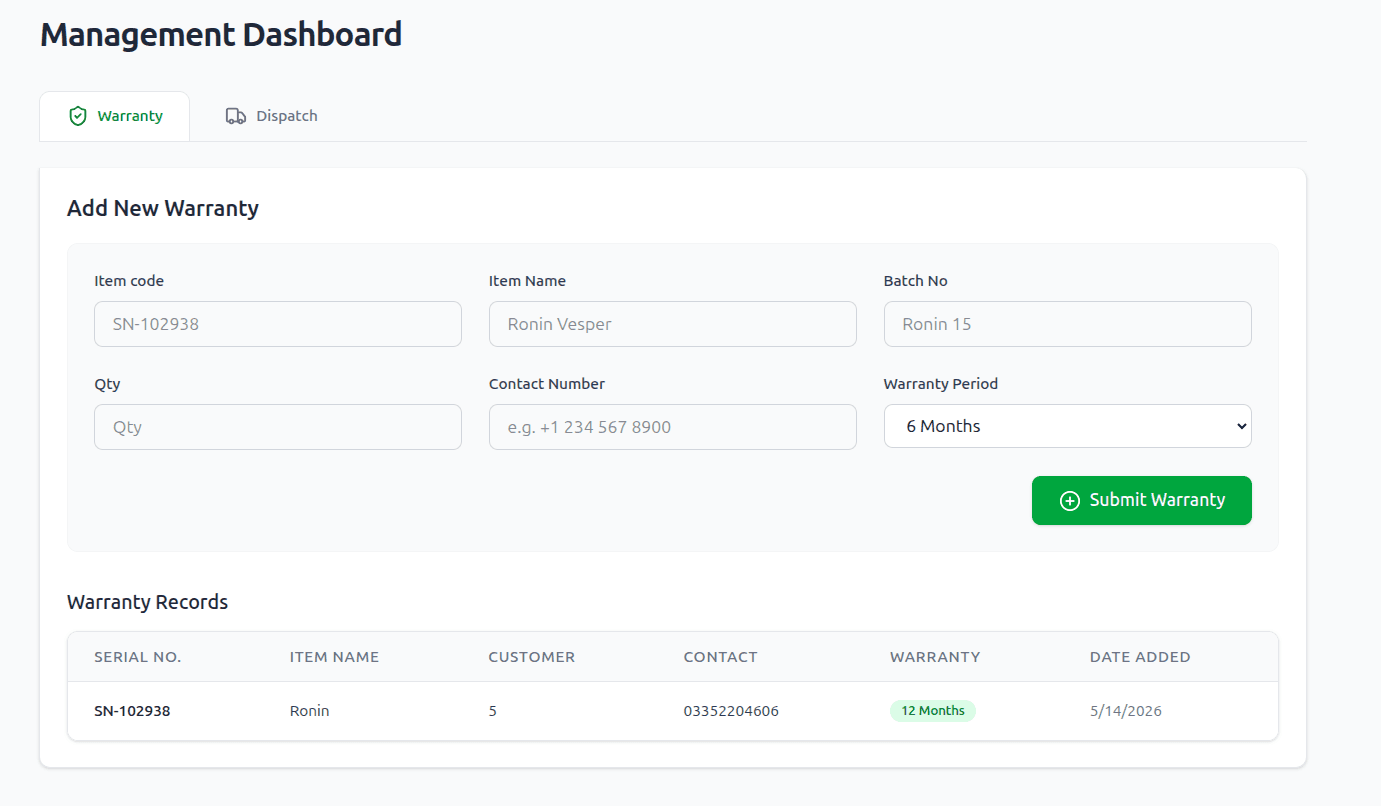
Ronin E-Warranty System & Management Dashboard
A warranty provider handled claims and verification manually, with no way to monitor agent performance or let customers track their own warranty requests once submitted.

Digital FTE Dashboard
Operations teams managing Digital FTEs across multiple clients had no single view of agent activity, approvals, or system health. Performance data lived in separate tools, Oracle for ERP records and Odoo for invoicing, so reviewing and approving agent work meant switching between several dashboards.
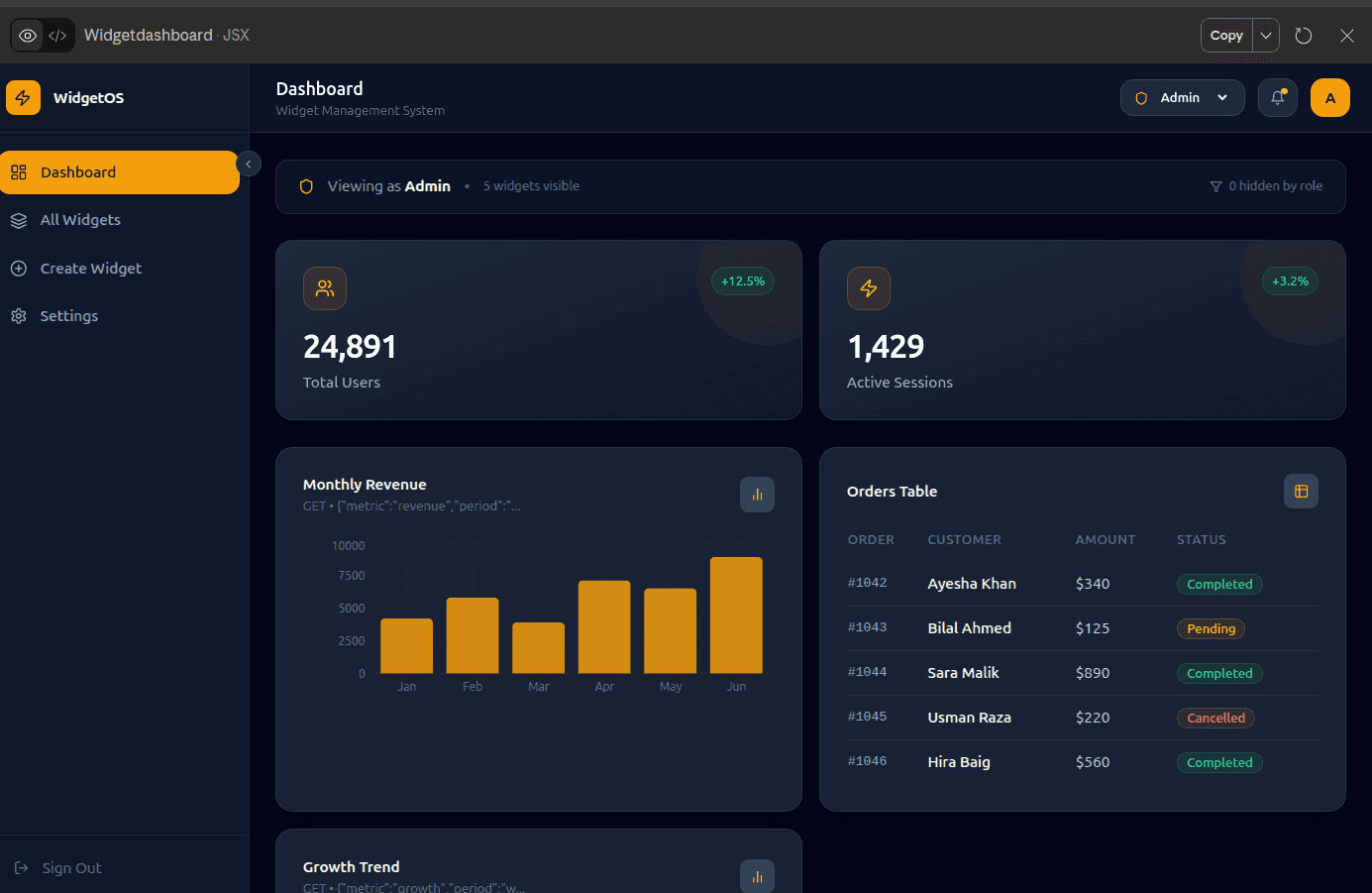
Widget OS Dashboard
Teams managing many micro-applications needed a workspace that adapts to each user instead of a fixed, one-size-fits-all dashboard layout.
Where these products run
SaaS built for the way your sector works
The framework is the same everywhere. The data model, the compliance surface, and the roles are not.

Education & training
Platforms with students, instructors, cohorts, scheduling, and payment — where the hardest part is usually the timetable, not the video player.
- Student, teacher, and admin role separation
- Class scheduling and attendance records
- Fee collection and payment slips
- Progress tracking and reporting
How the build runs
A spec-first process you can follow week to week
No black box. You approve the spec, then watch the product arrive in slices you can click.
Discovery call
We go through the idea, the users, the constraints, and the deadline. If Next.js is the wrong answer for what you described, I say so on this call rather than after invoicing you.
Deliverables
- Problem statement
- Constraint list
- Honest fit assessment
Written spec
Roles, flows, screens, data model, integrations, and an explicit out-of-scope list. This is the document the whole engagement is measured against, and nothing gets built until you approve it.
Deliverables
- Feature spec
- Data model
- Out-of-scope list
Architecture & setup
Repository, environments, CI, database, auth, and the design tokens go in first. Preview deployments are live before the first feature, so every later change is reviewable in a browser.
Deliverables
- Repo and CI
- Environments
- Preview deploys
Build in slices
Vertical slices, each one shippable: a flow end to end rather than half of five features. You get a preview URL per slice and can redirect priorities between them.
Deliverables
- Weekly preview URL
- Slice demo
- Updated scope board
Hardening
Edge cases, empty and error states, permissions, performance budgets, accessibility, and the security pass. This is the phase most builds skip and then pay for twice.
Deliverables
- Edge-case pass
- Vitals report
- Security review
Launch
Production environment, domains, monitoring, alerting, and a rollback path. Launch day is deliberately boring because everything on it has already been rehearsed in preview.
Deliverables
- Production deploy
- Monitoring and alerts
- Rollback plan
Handover & support
Written documentation, a runbook, and a walkthrough with whoever inherits the code. Optional retainer for ongoing work, but you are never locked in by missing knowledge.
Deliverables
- Handover docs
- Runbook
- Optional retainer
Why work with me
One engineer who owns the whole build
You are not handed to a junior after the sales call, because there is no sales call and no bench. The person who writes the spec writes the code.
Spec-first, always
Every engagement starts with a written spec you approve. It ends scope arguments before they start, because 'is this in scope' has a documented answer.
Typed from database to button
TypeScript end to end with generated types from the schema, so a rename in the database breaks the build rather than the customer's afternoon.
Built to be handed over
Conventional structure, no clever abstractions, and documentation aimed at the next engineer. Your code should not depend on me being available.
Honest about scope
If a feature is not worth its cost, or an off-the-shelf product does it better, that goes in the spec instead of on the invoice.
12+
Projects shipped end to end
3+
Years in production software
2
Concurrent senior engineering roles
100%
Builds handed over documented
Frequently asked
Questions people ask before we start
Have a product spec, or just a problem?
Either is a fine place to start. Send what you have and you will get an honest read on scope, stack, and timeline — before you commit to anything.